Welcome to 449 Recovery, where we prioritize mental health and well-being in Orange County, California. Mental health disorders affect millions of individuals, encompassing a wide range of conditions such as anxiety disorders, bipolar disorder, depression, and borderline personality disorder.
At 449 Recovery, we understand the complexity of mental health challenges. We offer comprehensive treatment programs tailored to each person’s unique needs. Our clinical team specializes in providing individualized treatment plans to address mental health disorders, substance abuse, and other co-occurring conditions.
According to the National Institute of Mental Health, approximately 1 in 5 adults in the United States experiences a mental illness each year. This statistic highlights the widespread need for accessible Orange County mental health treatment services.

Mental health disorders are complex conditions that affect an individual’s thoughts, feelings, and behaviors. They can significantly impact daily life, relationships, and overall well-being. Understanding mental health disorders is crucial for providing effective treatment and support. At 449 Recovery, we recognize the importance of addressing these conditions with a comprehensive and compassionate approach.
What is Mental Health?
Mental health refers to a person’s emotional, psychological, and social well-being. It encompasses various aspects, including cognitive function, emotional regulation, and behavioral responses to stress and adversity. Good mental health enables individuals to cope with challenges, build strong relationships, and lead productive lives.
How to Access Mental Health Care at 449 Recovery
Step 1: Initial Contact
- Call our admissions team or utilize our virtual assistant on our website
- Complete a brief phone/online screening to discuss your needs
- Schedule an initial assessment appointment
Step 2: Comprehensive Assessment
- Meet with our clinical team for a thorough evaluation
- Discuss your mental health history, current symptoms, and treatment goals
- Review any previous treatment experiences
Step 3: Insurance Verification and Financial Planning
- Our team verifies your insurance benefits and coverage
- Discuss payment options and financial assistance if needed
- Review treatment costs and expected duration
Step 4: Treatment Planning
- Develop an individualized treatment plan based on your assessment
- Determine the appropriate level of care (outpatient, IOP, PHP, or residential)
- Set treatment goals and expected outcomes
Step 5: Begin Treatment
- Start your personalized treatment program
- Meet your treatment team and begin therapy sessions
- Participate in group sessions and specialized programs as recommended
Mental Health Treatment Program
At 449 Recovery, our mental health program employs a multi-faceted approach to address mental health issues. We treat disorders through a range of services and specialized care.
We offer comprehensive behavioral health services across multiple levels of care to meet diverse needs:
| Level of Care | Description | Ideal For |
| Partial Hospitalization Program (PHP) | Intensive daily treatment while living at home | Significant symptoms needing structured care |
| Intensive Outpatient Program (IOP) | Flexible treatment 3-4 times per week | Moderate symptoms with daily life responsibilities |
| Outpatient Therapy | Weekly individual and group sessions | Mild to moderate symptoms, maintenance care |
| Aftercare Support | Ongoing support and relapse prevention | Continued recovery and community integration |
Individual therapy provides a personalized and confidential space for clients. Clients explore their thoughts, emotions, and behaviors with a licensed therapist. Through one-on-one sessions, clients receive tailored treatment plans designed to address their specific needs and challenges. This applies whether they’re struggling with anxiety, depression, or co-occurring disorders.
In addition to individual therapy, group therapy offers a supportive environment. Clients can connect with peers facing similar challenges. Led by trained therapists, group sessions provide opportunities for shared experiences, mutual support, and interpersonal learning. Clients participate in discussions, activities, and exercises focused on developing coping skills, improving communication, and fostering healthy relationships.
The cognitive-behavioral therapy (CBT) approach emphasizes identifying and challenging negative thought patterns. It also addresses behaviors that contribute to mental health issues. Through CBT techniques, clients learn to reframe distorted thinking, develop healthier coping strategies, and cultivate more adaptive behaviors. CBT is integrated into both individual and group counseling sessions to promote long-lasting change and symptom relief.
Contact 449 Recovery Today!
Find The Help You Need By Reaching Out To Us Today!
Family Support and Behavioral Health Services
Mental health recovery involves the entire family system. At 449 Recovery, we recognize that family members and loved ones play a crucial role in the healing process.
Family Therapy Services Include:
- Family therapy sessions to improve communication and relationships
- Educational workshops about mental health conditions and treatment
- Support groups for family members and loved ones
- Guidance on how to support recovery at home
- Resources for managing family stress and dynamics
Our family therapy programs help families understand mental health disorders. They develop healthy communication patterns and create supportive home environments that promote lasting recovery.
Mental Health Disorders We Treat
Mental health encompasses our feelings, thoughts, and social interactions. It also impacts how we deal with stress, interact with others, and make positive life choices. There is hope for anyone struggling with mental health issues. Getting assistance is an essential first step.
Feeling anxious is a common experience. However, when anxiety becomes persistent and interferes with your activities, work, sleep, or relationships, it may be a sign of an anxiety disorder that requires attention. While it’s normal to experience occasional anxiety in response to challenging situations, anxiety becomes problematic when it persists over time and interferes with daily functioning.
Common signs of an anxiety disorder include:
- Excessive Worry: Persistent worrying about everyday events or activities that is difficult to control
- Physical Restlessness: Feeling restless, tense, or on edge throughout the day
- Concentration Issues: Difficulty concentrating or focusing on tasks at hand
- Mood Changes: Irritability or mood swings that seem disproportionate to situations
- Physical Symptoms: Muscle tension, trembling, rapid heartbeat, or palpitations
- Autonomic Responses: Sweating, clamminess, or feeling overheated without physical exertion
- Breathing Difficulties: Shortness of breath or difficulty breathing during episodes
- Digestive Issues: Nausea, stomach discomfort, or digestive problems related to stress
- Sleep Disruption: Fatigue or trouble sleeping due to racing thoughts
- Avoidance Behaviors: Avoiding situations that trigger anxiety responses
- Panic Episodes: Panic attacks are characterized by sudden and intense feelings of fear or dread
Anxiety symptoms can range from mild to severe and may vary in intensity over time. If anxiety significantly impacts your daily life or persists for an extended period, seeking professional help from a healthcare provider or mental health professional is important.
While it’s normal to experience occasional periods of low mood, prolonged and overwhelming sadness may indicate depression. Difficulty getting out of bed or disruptions to your routine may also signal this condition.
Signs of depression as a mental health condition include:
- Persistent Sadness: Ongoing feelings of sadness that don’t improve with time
- Loss of Hope: Feelings of hopelessness about the future or current situation
- Sleep Changes: Significant changes in sleep patterns, either too much or too little
- Self-Worth Issues: Low self-esteem and negative self-perception
- Mood Irritability: Increased irritability or frustration with daily situations
- Interest Loss: Loss of interest in activities once enjoyed or found meaningful
- Energy Depletion: Persistent fatigue that doesn’t improve with rest
- Appetite Changes: Significant changes in appetite, either increased or decreased
Depression is a common but serious condition that can significantly impact mental well-being. Fortunately, even the most severe forms of depression can be effectively treated. Treatment for depression may include psychotherapy, medication, lifestyle changes, and support from healthcare professionals and loved ones.
Post-Traumatic Stress Disorder (PTSD) is a mental health condition that can develop after experiencing or witnessing a traumatic event. Individuals with PTSD may experience a range of symptoms that can significantly impact their daily lives. These may include:
- Re-experiencing Trauma: Persistent re-experiencing of the traumatic event through intrusive memories, flashbacks, or nightmares
- Avoidance Behaviors: Avoidance of reminders of the trauma, including places, people, or activities that trigger distressing memories
- Negative Thought Changes: Negative changes in thoughts and mood, such as persistent negative beliefs about oneself or the world
- Emotional Detachment: Feelings of detachment or estrangement from others and persistent negative emotions
- Heightened Reactivity: Being easily startled, feeling constantly on guard, difficulty sleeping, and irritability
At 449 Recovery, we recognize the profound impact of PTSD on individuals’ lives. We offer comprehensive treatment to address its symptoms and underlying causes.
Obsessive-Compulsive Disorder (OCD) presents recurring, distressing thoughts known as obsessions. These are coupled with repetitive actions (also called compulsions) aimed at alleviating these thoughts. Symptoms of OCD may include:
- Contamination Fears: Fear of germs or contamination from everyday objects
- Intrusive Thoughts: Unwanted intrusive thoughts related to sex, religion, or harm
- Aggressive Impulses: Aggressive impulses towards oneself or others that cause distress
- Order Needs: Need for symmetry or order in the environment
Compulsions may manifest as:
- Cleaning Rituals: Excessive cleaning and handwashing beyond normal hygiene
- Organizing Behaviors: Ordering and arranging items meticulously in specific patterns
- Checking Compulsions: Repeatedly checking things like locked doors or appliances
- Counting Behaviors: Compulsive counting of objects, steps, or repetitive actions
We recognize the profound impact of OCD on individuals’ lives. Through personalized treatment plans and compassionate care, we empower individuals to regain control over their lives and achieve lasting recovery from OCD.
Schizoaffective disorder is a complex mental health condition characterized by a combination of symptoms from schizophrenia. These include hallucinations or delusions, and mood disorders like bipolar disorder or depression. At 449 Recovery, we offer specialized treatment plans tailored to individuals with stable cases of schizoaffective disorder. We provide essential tools to enhance their daily functioning and overall well-being.

Specialized Programs for Different Populations
At 449 Recovery, we understand that different populations have unique mental health needs. Our specialized programs address the specific challenges faced by various groups.
Our adult programs focus on helping individuals manage mental health disorders while maintaining their daily responsibilities:
- Flexible Scheduling: Scheduling options that accommodate working adults and family obligations
- Evidence-Based Care: Treatment approaches backed by current research and clinical evidence
- Dual Diagnosis Support: Support for co-occurring substance use disorders alongside mental health treatment
- Life Skills Counseling: Career and relationship counseling to address practical life challenges
- Community Resources: Community integration support to maintain social connections and independence
Older adults may face unique mental health challenges related to aging, loss, and medical conditions:
- Late-Life Treatment: Specialized therapy for late-life depression and anxiety disorders
- Grief Support: Grief and loss counseling for age-related losses and transitions
- Medical Coordination: Medication management with consideration for other health conditions
- Social Programs: Social support and community engagement programs to combat isolation
Mental Illness and Substance Use Disorders
Mental illnesses often co-occur with substance use disorders. This creates a complex and challenging situation for individuals seeking treatment. Co-occurring disorders can exacerbate drug abuse problems and vice versa.
A dual diagnosis program integrates evidence-based treatments tailored to the unique needs of individuals. These individuals face co-occurring mental health and substance use disorders. A holistic approach combines therapy and medication management to address underlying issues, manage symptoms, and promote long-term recovery.
Holistic and Community Wellness Resources

At 449 Recovery, we believe in treating the whole person through holistic treatment approaches. These approaches address mind, body, and spirit. Our wellness programs include:
Holistic Therapies:
- Mindfulness Practices: Meditation and mindfulness practices to develop present-moment awareness
- Movement Therapy: Yoga and movement therapy to connect physical and mental wellness
- Creative Expression: Art and expressive therapies to explore emotions through creative outlets
- Nutrition Education: Nutritional counseling and wellness education for overall health
- Stress Management: Stress management techniques for daily life application
Community Integration:
- Peer Support: Peer support groups and mentorship programs for ongoing connection
- Service Opportunities: Community service opportunities to build purpose and meaning
- Social Skills: Social skills development for improved interpersonal relationships
- Recreation Activities: Recreation and leisure activities to promote balanced living
- Spiritual Care: Spiritual care and chaplaincy services for those seeking spiritual support
These holistic approaches complement traditional behavioral health services to support overall wellness and long-term recovery.
Telehealth and Virtual Mental Health Services
Understanding the importance of accessible care, 449 Recovery offers comprehensive telehealth services. These services are for clients who prefer or require virtual treatment options.
Virtual Services Available:
- Individual Sessions: Individual therapy sessions via secure video platforms
- Group Support: Group therapy and support groups online for peer connection
- Medication Consultations: Medication management consultations with psychiatric providers
- Family Sessions: Family therapy sessions that include remote family members
- Crisis Support: Crisis support and check-ins for immediate assistance when needed
Telehealth services provide the same quality of care as in-person treatment. They offer flexibility for those with transportation challenges, busy schedules, or health concerns that make in-person visits difficult.
Insurance, Cost, and Financial Assistance for Mental Health Treatment
At 449 Recovery, we understand the importance of accessibility and affordability when seeking mental health treatment. We are proud to be in-network with a variety of insurance providers, including:
- Blue Shield of California
- Beacon Health
- Cigna
- Magellan Behavioral Health
- Networks By Design
- Western Growers
- Prime Health Services
Being in-network with these insurance companies allows us to offer comprehensive mental health services to individuals covered by these plans. Using your insurance for mental health treatment at 449 Recovery can help alleviate the financial burden. This applies to therapy, medication management, and other treatment modalities.
Financial Assistance Options:
- Sliding Scale: Sliding scale fees based on income for those who qualify
- Payment Plans: Payment plans and financing options to make treatment affordable
- Insurance Support: Assistance with insurance authorization and appeals processes
- Community Resources: Information about community resources and grants for additional support
- Transparent Pricing: Transparent pricing with no hidden costs or surprise fees
Our dedicated team works closely with insurance providers to ensure smooth billing processes. We maximize coverage for our clients. We understand that navigating insurance can be overwhelming, so our knowledgeable staff is here to assist you every step of the way. If you have questions about your insurance coverage or would like to verify your benefits, please reach out to us.

Frequently Asked Questions
Services include individual therapy, group therapy, intensive outpatient programs, partial hospitalization, residential treatment, and holistic care.
Contact a local provider for an assessment. Intensive outpatient programs offer flexible, evidence-based treatment for mental health and substance use disorders.
Most major insurance providers, including Blue Shield, Beacon, Cigna, and Magellan, cover mental health treatment. Financial assistance may be available.
Holistic treatment integrates therapies such as meditation, yoga, and wellness activities with traditional behavioral health services.
Telehealth services offer therapy, medication management, and support groups via secure online platforms.
Costs depend on the level of care, insurance coverage, and financial assistance. Providers offer transparent pricing and help maximize benefits.
Residential treatment offers 24/7 care in a structured setting, while outpatient rehab allows clients to live at home and attend therapy sessions.
Begin by contacting a provider for an assessment, verifying insurance, and discussing treatment goals with an intake coordinator.
Contact 449 Recovery for Orange County Mental Health Treatment Today
We understand how challenging this journey can be, and you don’t have to face it alone. If you or a loved one is struggling with mental illness, contacting 449 Recovery is the first step toward personalized and effective treatment. Our compassionate team understands the challenges of mental illness and is dedicated to providing individualized treatment plans tailored to your unique needs.
With expertise in addressing a wide range of mental health disorders, including anxiety, depression, bipolar disorder, and more, we prioritize your well-being and recovery journey. At 449 Recovery, we believe in a holistic approach to mental health treatment, where treatment plans revolve around your specific needs, preferences, and goals.
Whether you require individual therapy, group sessions, medication management, or specialized programs, our comprehensive approach ensures that you receive the support and care you deserve. Don’t let mental illness hold you back from living a fulfilling life. Contact 449 Recovery today to take the first step toward comprehensive mental health treatment in Orange County. Our dedicated team is here to provide you with the support, resources, and individualized care you need to overcome mental health challenges and reclaim your life.

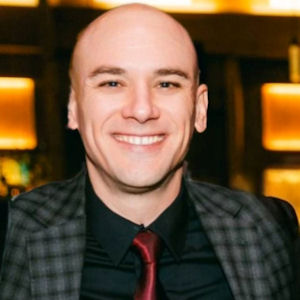
Dr. Sharif is a Licensed Marriage and Family Therapist who joined 449 Recovery in 2020 and oversees clinical operations as the Chief Clinical Officer. He earned his B.A. in Psychology and M.S. in Clinical Psychology from Vanguard University and completed his Doctor of Psychology from California School of Professional Psychology. Since 2011, Dr. Sharif has been dedicated to helping individuals, couples, and families heal from co-occurring disorders, including mental health, relational, and substance use challenges. He has led workshops on family dynamics, attachment injuries, spirituality in sobriety, and the impact of trauma on relationships.