
PTSD and Substance Abuse Treatment
If you’re dealing with PTSD and substance abuse, you know that it’s a tricky combination to manage. PTSD can leave you feeling overwhelmed and make it extremely hard to cope with daily life.
There is hope for recovery. With the right treatment and support, you can learn tools to manage your PTSD symptoms and find healthier ways to cope with your emotions. Let us walk you through all of the treatment options available for those struggling with both PTSD and substance use disorders here at 449 Recovery in Mission Viejo, California.
What is Post-Traumatic Stress Disorder (PTSD)?
Post-Traumatic Stress Disorder (PTSD) is a mental health disorder that can occur after a person experiences an event that causes them extreme fear or distress. People with PTSD may experience symptoms such as flashbacks, intrusive thoughts, avoidance of certain situations, difficulty concentrating, difficulty sleeping, and an exaggerated startle response. It is a severe condition that has to be properly diagnosed and treated.
PTSD symptoms can increase the risk of substance abuse, as people may misuse drugs or alcohol to try to cope with their painful memories and feelings.
PTSD Symptoms
The signs and symptoms of PTSD can vary from person to person and can occur at different times after the traumatic event. The following are among the most common signs:
- Intrusive thoughts: Recurring and unwanted thoughts, memories, or nightmares about the traumatic event.
- Avoidance: Avoiding people, places, or situations that remind the person of the traumatic event.
- Negative mood: Feeling detached, numb, guilty, or ashamed. The excitement about hobbies or pastimes that one formerly loved is suddenly gone.
- Hyperarousal: Being easily startled, irritable, or having difficulty sleeping or concentrating.
- Flashbacks: Feeling as if the traumatic event is happening again, experiencing physical sensations and emotions similar to those experienced during the event.
These symptoms can be severe and long-lasting. It can have a significant impact on one’s quality of life and interfere with work, relationships, and general day-to-day functioning. It’s crucial to get medical attention if you or someone you know is experiencing these symptoms.
PTSD Causes and Factors
PTSD is not a mental health issue only for military veterans who’ve seen combat; many people Exposure to one or more traumatic incidents that threaten or result in actual death, major injury, or sexual violence can result in post-traumatic stress disorder (PTSD). Some of the factors that may lead to PTSD are as follows:
- Traumatic Events: PTSD can develop after exposure to a traumatic experience such as a natural disaster, sexual assault, war, or major accident.
- Genetic: There is evidence that certain people may be more genetically inclined to get PTSD.
- Brain Chemistry: Variations in the levels of different neurotransmitters in the brain (such as serotonin and norepinephrine) can affect how a person responds to stress and trauma, leading to PTSD.
- Age: Children and teenagers may be more susceptible to acquiring PTSD because of their undeveloped coping skills.
- Pre-existing mental health conditions: A pre-existing mental health issue, such as depression or anxiety, may make someone more susceptible to acquiring PTSD.
- Social Support: The likelihood of having PTSD can rise in the absence of a strong social support system.
Why Do People With PTSD Use Drugs More Often?
- Persistent doubts and difficulty tolerating uncertainty
- A strong need for symmetry, order, or exactness
- Intrusive thoughts about harming oneself or others
- Unwanted, distressing thoughts or mental images
- Excessive time spent completing tasks due to ritualistic patterns
- Rigid thinking and resistance to change
- Repeating or redoing tasks to “get it right”
- Ritualistic behaviors such as excessive cleaning or organizing
- Compulsive checking, hoarding, or counting
- Repetitive movements or verbal phrases
- Social withdrawal and avoidance
- Hypervigilance and agitation
- Impulsivity and difficulty shifting focus
- Mood swings, fear, or guilt
- Apprehension and irritability
- Co-occurring anxiety or depression
- Nightmares or obsessive rumination
- Food aversions or avoidance behaviors
- Disturbances in daily functioning and relationships
Why Do People With PTSD Use Drugs More Often?
People with PTSD are more likely to use drugs and engage in substance abuse because they use these substances to deal with the emotional discomfort brought on by their experience. Studies have found that people suffering from PTSD are up to five times more likely to develop a substance use disorder than those without.
Another reason is due to an unstable environment. Individuals who have experienced trauma are more likely to have grown up in unstable surroundings without good role models or support systems. Not only does this increase the chance of developing PTSD, but they are also more likely to abuse drugs and alcohol.
PTSD often co-occurs with other mental health conditions, such as depression or anxiety. People with these conditions are also at an increased risk of using drugs, which can worsen their symptoms.
People with PTSD may develop a higher tolerance to drugs over time, which can lead to dependency and potentially addiction if left untreated. Dependency leading to addiction is an extremely common occurrence.
The correlation between PTSD and substance abuse is complicated, so understanding how they interact is the key to managing treatment options if you find yourself in this situation. Knowing your triggers and what resources are available for help can make a big difference when taking appropriate steps toward recovery.
Statistics on PTSD and Substance Use Disorder
According to the U.S. Department of Health, 3.6% of American adults, or around 9 million people, have PTSD. Severe symptoms are seen in about 37% of people with PTSD diagnoses. PTSD is substantially more common in women than in men.
The numbers get even worse when we consider suicide rates related to PTSD and drug abuse. According to preliminary figures from the National Vital Statistics System, 44,834 Americans have committed suicide in 2020. In the said year, 0.5%, or 1.2 million people, of adults 18 and older attempted suicide. Followed by adults aged 26 to 49 with 0.4% or 452,000 people, then by adults who are 50 or older with 0.1% or 124,000 people.
Meaningful support and treatment are invaluable—not just for people in the United States but everywhere—as they seek help dealing with their trauma and addiction.
Treating PTSD and Addiction
Although treating PTSD and addiction at the same time can be challenging, numerous approaches have been proven to be successful. Traditional therapies, such as cognitive-behavioral therapy (CBT) and talk therapy, are some of the most commonly used methods for treating both PTSD and addiction issues. For those seeking alternative therapy options, mindfulness-based approaches have also been shown to be effective.
Cognitive behavior therapy (CBT) is a type of psychotherapy that has been considered to be the most effective approach for treating PTSD in both the short and long term. This therapy focuses on identifying, understanding, and altering thought and behavior patterns. It is trauma-focused, which means the treatment is centered on your traumatic experiences. CBT treatment normally involves 12–16 weeks of sessions along with activities in between appointments.
Eye Movement Desensitization and Reprocessing (EMDR) eliminates the need for patients to talk about their experiences or concerns with a therapist. The patient would only need to focus on the memory when the therapist makes a hand motion, light, or create sound. The goal is to gradually replace the traumatic thought in the patient’s mind with a positive one. Typically, three months of weekly sessions are needed for this treatment.
A form of psychotherapy known as “group therapy” involves multiple patients attending the same session. A session is often run by one or more qualified specialists with expertise in either post-traumatic stress disorder (PTSD), trauma, or both. The group can be made up of a handful to about 20 participants and could be open or closed. A closed group mandates registration and starts on the same day. While an open group permits members to come and go as they want.
Group therapy may be targeted towards specific forms, such as for those experiencing PTSD and a co-occurring mental health condition, or those that assist in the empowerment and healing of female survivors of abuse, and the like.
While one of the above-described therapies is being performed, medications may also be given at the same time. Some of the drugs prescribed as short-term solutions include Selective Serotonin Reuptake Inhibitors (SSRIs) and benzodiazepines. SSRIs are antidepressants and anti-anxiety medications. It can help manage symptoms such as depression, anxiety, and insomnia. Benzodiazepines, on the other hand, are quick-acting medications that are effective but when taken inappropriately can lead to addiction.
This type of therapy focuses on raising present-moment awareness and acceptance. The most well-known and commonly used of these treatments are mindfulness-based stress reduction (MBSR) and mindfulness-based cognitive therapy (MBCT).
MBSR consists of eight weeks of group sessions lasting two to two and a half hours. It is followed by a full-day retreat of silent meditation in week six. These sessions feature a variety of techniques, such as daily mindfulness practice, weekly homework assignments, stress management discussions, yoga, and mindfulness meditation.
MBCT uses a combination of cognitive behavioral therapy (CBT) and mindfulness-based stress reduction (MBSR). The goal is to change awareness of and relationships with thoughts by promoting a “decentred” perspective (i.e., “thoughts are not facts”). This therapy particularly focuses on reducing residual symptoms and strives to avoid relapse.
PTSD is a treatable condition. Find out the best treatment option at 449 Recovery!
Because OCD and addiction often overlap with other mental health conditions, an accurate diagnosis requires evaluation by a licensed professional. At our outpatient rehab center in California, our team is trained in dual diagnosis care for substance abusers and uses in-depth clinical assessments to determine if both disorders are present. From there, we develop a treatment plan that addresses the root causes of both conditions and helps clients build sustainable coping strategies.
If you’re concerned that you or a loved one may be dealing with OCD and addiction, seeking professional help is a critical first step. The right care—delivered at the right time—can lead to meaningful, lasting recovery.
Can PTSD and Substance Abuse Co-Occur?
Yes! Studies have reported that different forms of substance use (alcohol, marijuana, cocaine, and hallucinogens) are associated with an increased risk of developing PTSD after a traumatic event. Comorbid PTSD, which refers to the simultaneous presence of post-traumatic stress disorder and another mental health condition, requires a comprehensive treatment approach.
PTSD and alcoholism are often co-occurring disorders because individuals use alcohol as a coping mechanism. Treating both issues is crucial for better outcomes. Connecting with supportive people and resources is important for overcoming the challenges of PTSD and alcoholism.
The relationship between PTSD and marijuana use varies for each individual. While it may temporarily alleviate symptoms, long-term marijuana use can impair emotional processing and potentially worsen symptoms. Consult a healthcare provider to explore alternative treatment options.
Prescription drugs, when used safely and under professional guidance, can effectively treat PTSD symptoms. However, they come with potential risks and side effects. A comprehensive treatment plan should include therapy and consultation with a mental health specialist.
Cocaine, meth, and heroin interfere with PTSD treatment, worsen symptoms, and lead to addiction. Prioritizing mental health and seeking appropriate therapies is essential for recovery.
Discover the Best Treatment at 449 Recovery
449 Recovery understands the complexity of comorbid PTSD and the importance of providing specialized care. With our dual diagnosis program, we offer comprehensive treatment to address both substance use disorders and mental disorders. Our dedicated team is experienced in reducing PTSD symptoms through evidence-based therapies and a concurrent treatment approach. We prioritize the well-being of our clients by creating a supportive environment and incorporating trauma-informed practices. At 449 Recovery, we are committed to helping individuals find lasting recovery, manage their symptoms, and regain control of their lives.
With the right tools and resources in place, you can find hope amid the darkness of your condition. Discover more about how we treat a PTSD diagnosis and addiction, their causes, and the programs available for you or your loved one at 449 Recovery’s mental health treatment center in Mission Viejo, CA. Contact our team now!
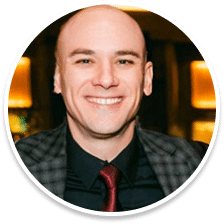
Dr. Barek Sharif, LMFT
(Medical Reviewer)
Dr. Sharif is a Licensed Marriage and Family Therapist who joined 449 Recovery in 2020 and oversees clinical operations as the Chief Clinical Officer. He earned his B.A. in Psychology and M.S. in Clinical Psychology from Vanguard University and completed his Doctor of Psychology from California School of Professional Psychology. Since 2011, Dr. Sharif has been dedicated to helping individuals, couples, and families heal from co-occurring disorders, including mental health, relational, and substance use challenges. He has led workshops on family dynamics, attachment injuries, spirituality in sobriety, and the impact of trauma on relationships.