Quick Decision Guide: Navigating Recovery in OC
- Assess Your Urgency: If you are experiencing withdrawal symptoms or a co-occurring mental health crisis, immediate medical detoxification or residential care is the recommended first step.
- Success Factors: Top outcomes in Orange County are linked to three factors: engaging in treatment for at least 90 days, involving family in the recovery process, and utilizing integrated care for dual diagnoses.
- Immediate Action: If you are unsure where to start, schedule a confidential assessment today. Early intervention significantly reduces the risk of long-term health complications.
Understanding Substance Abuse Disorder in Orange County
Self-Assessment: Recognizing the Signs
If you are unsure whether you or a loved one is facing substance abuse disorder, consider these common indicators:
- Loss of Control: Using more substances than intended or for longer periods.
- Neglected Responsibilities: Missing work deadlines or family obligations due to use or recovery from use.
- Risk Taking: Using substances in physically hazardous situations, such as driving on the 405 or 5 freeways.
- Tolerance & Withdrawal: Needing more of the substance to get the same effect or feeling ill when not using.
Navigating substance abuse disorder in Orange County can feel isolating, but you are not alone. This complex medical condition affects brain function and behavior, making it difficult to control the use of drugs or alcohol despite the toll it takes on your life. Whether you are in Mission Viejo or Anaheim, understanding that this is a treatable medical issue—not a failure of willpower—is your first step toward recovery.
In Orange County, the impact of this disorder spans all demographics. You might be a young professional in a coastal community struggling with prescription stimulants, or a retiree in an inland neighborhood facing alcohol dependency. The region’s high cost of living and fast-paced environment can exacerbate stress, often triggering or worsening substance use. Recognizing the signs early—such as increased tolerance, withdrawal symptoms, or difficulty maintaining relationships—is crucial. Local resources, from specialized facilities to support groups, are available to help you regain control and address substance abuse disorder.
The Local Landscape: From Mission Viejo to Anaheim
Orange County’s substance use crisis takes on unique characteristics across different neighborhoods. Understanding these local trends can help you identify risks in your own community.
| Area | Common Challenges | Local Trends |
|---|---|---|
| Mission Viejo & Aliso Viejo | Family stress, hidden dependency | Increased ER visits tied to substance misuse. |
| Anaheim & Santa Ana | Density, availability | Higher rates of opioid and stimulant-related incidents. |
| Fullerton & Costa Mesa | Access barriers | Traffic bottlenecks on the 5 and 405 hindering timely care access. |
Community data shows that Orange County’s hospitalization rate for drug and alcohol-related issues rose from 155 per 10,000 residents in 2009 to 215 in 20204. These trends highlight the urgent need for resources tailored to the neighborhoods most affected by substance misuse, dependency, and dual-diagnosis challenges, including those related to substance abuse disorder.
Rising Overdose Rates Across Orange County
Overdose rates have soared over the past two decades, deeply impacting communities from Mission Viejo to Anaheim. Data shows that the county’s drug and alcohol-related overdose death rate rose sharply—from 8.8 per 100,000 residents in 2000 to 22.1 in 2020, with the most dramatic increases recorded in neighborhoods like Santa Ana and Fullerton4. This surge is linked to the growing presence of fentanyl and other synthetic opioids. Emergency departments near key landmarks, such as the Anaheim Regional Medical Center, have reported consistent upticks in overdose cases, signaling a critical need for immediate intervention for substance abuse disorder.
How Substance Abuse Disorder Affects OC Families
Substance abuse disorder has a profound ripple effect on Orange County families. You may be juggling missed workdays, school absences, or the emotional stress of caring for a loved one. In areas like Aliso Viejo and Costa Mesa, families often describe feeling isolated as they navigate the stigma associated with dependency. However, support is available. Residents living near The Block or close to Disneyland mention how access to support groups and flexible outpatient programs can make a real difference. One Anaheim family credits a local support group with helping them rebuild trust, while a Mission Viejo resident highlights the comfort found in family counseling sessions for substance abuse disorder.
What Defines Substance Abuse Disorder
Substance abuse disorder is defined by a consistent pattern of using alcohol or drugs despite negative impacts on daily life, relationships, and health. According to the American Psychiatric Association, this involves multiple symptoms such as withdrawal, risky behaviors, and persistent use even when it causes harm8. Local clinicians use standardized criteria to distinguish between occasional misuse and a true disorder, ensuring that you receive the most appropriate support for substance abuse disorder.
Clinical Criteria and Diagnostic Standards
Clinicians in Orange County use precise clinical criteria to diagnose substance abuse disorder. This careful process involves assessing symptoms such as repeated inability to control use, increased tolerance, cravings, and negative impacts on work, school, or relationships. For example, if you struggle to meet job responsibilities in Newport Beach or miss classes in Garden Grove due to substance use, you may meet diagnostic benchmarks. These standardized guidelines allow local providers to deliver consistent, evidence-based treatment for substance abuse disorder.
Co-Occurring Mental Health Conditions
Co-occurring mental health conditions—such as depression, anxiety, and PTSD—are frequently present alongside substance misuse. National survey data shows that 45% of those diagnosed with a substance use disorder also face at least one mental health concern2. Integrated care that addresses both substance misuse and mental health conditions together has been shown to improve outcomes by 20-30% compared to treating each issue separately3. If you are in Lake Forest or Santa Ana, seeking a program that treats both aspects is vital for a more effective recovery journey from substance abuse disorder.
Evidence-Based Treatment Approaches for Substance Abuse Disorder
Choosing the right treatment path is a critical decision. Orange County facilities employ several evidence-based approaches validated through rigorous scientific research. The table below outlines common therapeutic models to help you understand your options for substance abuse disorder.
| Therapy Type | Best Suited For | Key Benefit |
|---|---|---|
| Cognitive Behavioral Therapy (CBT) | Identifying triggers & negative thought patterns | Builds practical coping skills to prevent relapse. |
| Medication-Assisted Treatment (MAT) | Opioid and Alcohol Use Disorders | Reduces cravings and withdrawal symptoms physically. |
| Motivational Interviewing | Ambivalence about change | Strengthens personal commitment to recovery. |
| Family Therapy | Repairing relationships | Creates a supportive home environment. |
Cognitive Behavioral Therapy (CBT) stands as one of the most widely used research-supported treatments in Orange County. It helps you identify and modify negative thought patterns associated with drug and alcohol misuse. Medication-Assisted Treatment (MAT) combines FDA-approved medications with counseling, proving particularly effective for opioid and alcohol use disorders by normalizing brain chemistry, and is a key component in treating substance abuse disorder.
Integrated Dual Diagnosis Treatment Models
Integrated dual diagnosis treatment models have become essential in Orange County’s response to substance abuse disorder. These models combine mental health and substance use care under one coordinated team. Local clinics have reported that integrated care reduces psychiatric hospitalizations by 30%7. Whether you are in Garden Grove or Old Towne Orange, having both types of care in one place removes barriers like traffic or multiple appointments, making whole-person recovery possible for substance abuse disorder.
Why Integrated Care Outperforms Sequential Treatment
“Integrated mental health and substance use treatment improves psychiatric outcomes by 20-30% compared to treating each issue separately.” 3
Unlike sequential models, where mental health and substance use are addressed one after the other, integrated care treats both together. This is especially beneficial if you live in neighborhoods like Costa Mesa and Lake Forest, where juggling multiple appointments can be a barrier. By addressing anxiety, depression, or trauma alongside alcohol or drug misuse, integrated care leads to better engagement and long-term success in treating substance abuse disorder.
Medication-Assisted Treatment for Opioid Use
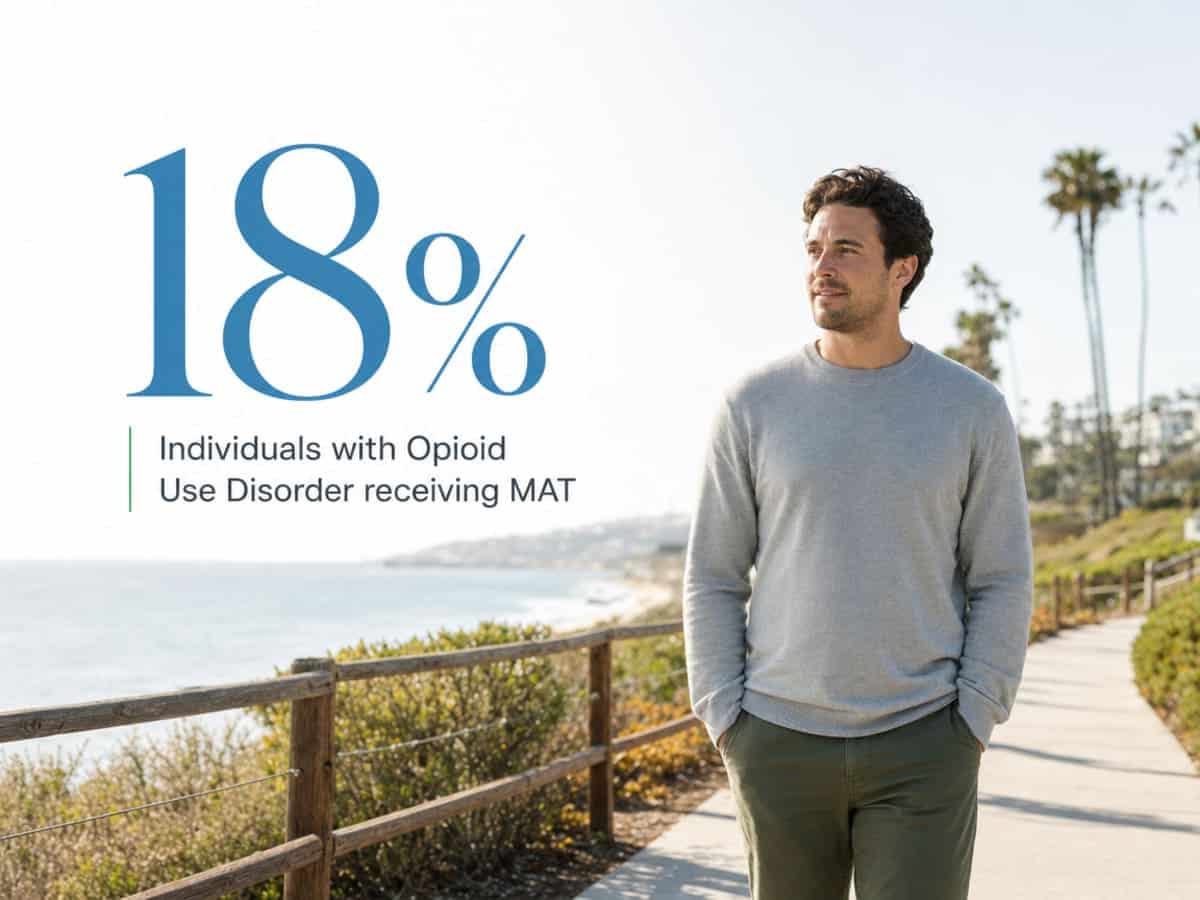
Medication-assisted treatment (MAT) is widely recognized as the gold standard for opioid use disorder. MAT combines FDA-approved medications like buprenorphine or methadone with counseling. National studies show that MAT can reduce overdose risk by up to 76%6. Local providers note that integrating MAT within dual diagnosis programs leads to better retention, especially for those also managing depression or anxiety, and is crucial for effective substance abuse disorder treatment.
Therapeutic Interventions That Work
Therapeutic interventions for substance abuse disorder in Orange County are grounded in proven methods. Approaches like CBT and Dialectical Behavior Therapy (DBT) help residents build practical tools for managing cravings and emotional regulation. According to the National Institute on Drug Abuse, combining behavioral interventions with medication-assisted treatment can improve recovery rates by up to 35% over medication or therapy alone5.
Cognitive Behavioral Therapy and DBT for SUD
CBT helps you identify thought patterns that contribute to substance use, while DBT teaches mindfulness and emotional regulation. These therapies are especially valuable if you experience both substance misuse and mental health challenges. Local providers have found that structured CBT and DBT sessions help clients in Orange County neighborhoods develop confidence and reduce isolation, supporting their journey with substance abuse disorder.
Trauma-Focused Treatment for PTSD and Addiction
Trauma-focused treatment is essential for residents facing both PTSD and addiction. Therapies like Eye Movement Desensitization and Reprocessing (EMDR) address the underlying traumatic experiences that can drive substance use patterns. Research shows that when trauma-focused therapy is combined with addiction counseling, recovery rates are significantly higher than with standard substance use treatment alone5. This integrated approach is vital for comprehensive substance abuse disorder care.
Accessing Substance Abuse Disorder Treatment in Orange County
Finding the right care should not be a struggle. Orange County offers numerous pathways to access addiction treatment services. Use the checklist below to guide your search for a provider for substance abuse disorder.
Provider Vetting Checklist
- Accreditation: Is the facility CARF or Joint Commission accredited?
- Insurance: Do they accept your specific insurance plan (e.g., Blue Cross, Aetna)?
- Specialization: Do they offer integrated care for co-occurring disorders?
- Location: Is the facility accessible from your home or work to minimize commute stress?
Many people begin their journey by consulting with their primary care physician or contacting community behavioral health centers. The Orange County Health Care Agency’s Behavioral Health Services division operates multiple clinics, often providing sliding-scale fees. Additionally, the county’s 24/7 crisis hotlines (855-625-4657) connect callers with trained professionals who can provide immediate support for substance abuse disorder.
Outpatient Treatment Options Across OC
Outpatient treatment options for substance abuse disorder give you flexibility. From Downtown Santa Ana to Aliso Viejo, outpatient care means you can maintain work or family commitments while receiving evidence-based help. Recent county data highlights the need for flexible care, with average wait times for intensive outpatient programs still ranging from two to four weeks2. By expanding outpatient offerings, local providers are helping more people stay engaged in recovery from substance abuse disorder.
Partial Hospitalization vs. Intensive Outpatient
Partial Hospitalization Programs (PHP) typically involve more hours each week—often five days—providing a structured environment without overnight stays. Intensive Outpatient Programs (IOP) offer more flexibility, meeting fewer days per week. Research shows that while PHP may offer more intensive daily therapy, outcomes can be similar to IOP when treatment engagement remains strong2. Your choice depends on your personal needs and readiness for change when addressing substance abuse disorder.
Evening Programs for Working Professionals
Evening programs have become a vital resource for working professionals in neighborhoods like Irvine and Costa Mesa. These sessions—often held after 5 p.m.—allow you to attend therapy without missing work. Evidence indicates that expanding flexible outpatient models directly addresses access gaps and reduces treatment abandonment rates2, making it easier to manage substance abuse disorder while maintaining employment.
Neighborhoods We Serve Throughout Orange County
Substance abuse disorder care is available across a wide range of neighborhoods. The table below highlights specific service availability and considerations for key areas.
| Neighborhood | Key Features | Accessibility Notes |
|---|---|---|
| Mission Viejo & Irvine | Family-focused, Academic support | Close to I-5; Evening programs popular for professionals. |
| Anaheim & Santa Ana | Central hubs, Diverse options | Accessible via public transit; High demand for opioid services. |
| Coastal & South County | Residential settings, Privacy | Traffic on 405 can impact commute; Telehealth options recommended. |
Mission Viejo, Irvine, and South County Areas
Residents in Mission Viejo and Aliso Viejo often seek support close to home to balance treatment with family life. The accessibility of services near the Shops at Mission Viejo and the Irvine Spectrum is a significant draw. According to recent county data, South County communities have seen a 38% rise in drug and alcohol-related hospitalizations over the past decade, underscoring the need for flexible care for substance abuse disorder2.
Anaheim, Santa Ana, and Central OC Communities
Central OC communities like Garden Grove and Fullerton benefit from accessible outpatient and dual diagnosis programs. Local data shows that only a small portion of those with substance use needs are able to start treatment within two to four weeks, contributing to dropout rates2. Centrally located treatment centers and public transit options are vital for ongoing recovery support in these busy areas for substance abuse disorder.
What to Expect When Seeking Help in Orange County
Taking the first step toward recovery can feel overwhelming, but knowing what lies ahead makes the process easier. Here is a typical timeline for the first 90 days of treatment for substance abuse disorder:
- Days 1-7 (Assessment & Stabilization): Comprehensive evaluation of physical and mental health; medical detox if necessary.
- Days 8-30 (Early Treatment): Intensive therapy (CBT/DBT), medication management, and establishing a routine.
- Days 31-60 (Skill Building): Deepening understanding of triggers, family therapy sessions, and developing coping mechanisms.
- Days 61-90+ (Transition Planning): Preparing for step-down care, connecting with alumni groups, and solidifying long-term recovery plans.
During the intake process, you can expect to discuss your history with substances, previous recovery experiences, and personal wellness goals. This information remains confidential. Care teams use these details to create personalized plans that address your unique circumstances for substance abuse disorder.
Insurance Coverage and Financial Considerations
Insurance coverage is a key factor for many residents. Many local programs accept commercial insurance plans, making care accessible. Economic research shows that every dollar invested in outpatient treatment for substance misuse can yield $4–$7 in healthcare and criminal justice cost savings9. Understanding your insurance options and the long-term value of care can help you feel more confident in addressing substance abuse disorder.
In-Network Providers and Commercial Insurance
Choosing an in-network provider helps manage financial details. Many well-regarded programs near the Irvine Spectrum and Downtown Santa Ana are in-network with major commercial insurance plans. By selecting an in-network provider, you benefit from reduced out-of-pocket expenses and streamlined claims. It’s helpful to confirm your plan’s network status before your first visit for substance abuse disorder treatment.
Understanding Treatment Investment and ROI
Investing in substance abuse disorder treatment is about long-term value. Research shows that effective treatment leads to fewer emergency room visits, improved job stability, and stronger family connections9. Investing in evidence-based care strengthens the entire Orange County community by empowering people to rebuild healthy, productive lives free from substance abuse disorder.
Getting Started with Substance Abuse Disorder Treatment
Getting started is designed to be welcoming. Whether you live near South Coast Plaza or Laguna Hills, the process begins with a confidential assessment. Research shows that programs with clear entry steps and immediate assessment help reduce dropout rates2. By choosing a provider that understands dependency and the importance of timely engagement, you take the first step toward lasting recovery from substance abuse disorder.
Assessment Process and Treatment Planning
The assessment process starts with a confidential conversation. Clinicians gather information about substance use patterns and mental health concerns to understand your needs. Using evidence-based guidelines, local providers develop a personalized treatment plan that may include outpatient therapy or co-occurring disorder care for substance abuse disorder.
Why Choose CARF-Accredited Programs
Choosing a CARF-accredited program means selecting a provider that meets the highest standards for quality and safety. CARF accreditation offers peace of mind, knowing that programs are regularly reviewed for evidence-based practices. Research shows that accredited facilities are more likely to deliver integrated behavioral health and recovery services3, which is crucial for effective substance abuse disorder treatment.
Begin Your Recovery Journey in Orange County
Taking the first step toward recovery represents a profound act of courage. Understanding addiction as a medical condition is essential to beginning this journey. Orange County’s treatment landscape offers evidence-based care delivered by professionals who recognize that recovery from substance abuse disorder requires comprehensive support.
To begin your recovery journey, take these concrete steps:
- Schedule a confidential assessment with a licensed treatment provider to determine the appropriate level of care for your substance abuse disorder.
- Explore payment options including insurance verification, sliding-scale programs, or county-funded services.
- Connect with support resources such as local 12-step meetings or SMART Recovery groups to build your recovery network for substance abuse disorder.
Recovery is possible, and experienced professionals throughout Orange County stand ready to provide the evidence-based care you need to reclaim your life from substance abuse disorder.
Frequently Asked Questions
When researching addiction recovery options in Orange County, you likely have questions about the process and what to expect. Understanding these common concerns can help you feel more confident about taking the next step.
How long do I need to wait to start substance abuse disorder treatment in Orange County?
In Orange County, wait times to begin substance abuse disorder treatment often range from two to four weeks for intensive outpatient programs, with some residents in neighborhoods like Irvine, Costa Mesa, and Fullerton reporting delays due to high demand. Recent county data shows that extended waiting periods contribute to treatment dropout rates exceeding 40%2. Many local providers are expanding evening and telehealth services to help reduce barriers. By reaching out promptly, you increase your chances of getting started sooner.
Can I receive treatment for substance abuse disorder while continuing to work?
Yes, many Orange County programs offer flexible treatment options specifically designed so you can continue working. Outpatient and evening programs—located near business hubs like the Irvine Spectrum—provide therapy after traditional work hours. Research confirms that expanding flexible outpatient models helps reduce dropout rates2. By choosing a provider that understands work-life balance, you can receive support without sacrificing your career while addressing substance abuse disorder.
What if I have both substance abuse disorder and anxiety or depression?
If you are experiencing both substance abuse disorder and symptoms of anxiety or depression, you are not alone. In Orange County, nearly half of those with substance use challenges also face a mental health concern2. Local programs provide coordinated care that addresses both conditions together. Research shows that this integrated approach leads to better outcomes—psychiatric symptoms improve by 20-30% when treated simultaneously3.
Will my family be involved in my substance abuse disorder treatment?
Family involvement is a key part of treatment for many Orange County residents. Most programs encourage families to participate in therapy sessions or support groups. Engaging loved ones helps build understanding and trust, which research shows can improve treatment outcomes and reduce the risk of relapse5 for substance abuse disorder.
How do I know if I need medication-assisted treatment for substance abuse disorder?
Medication-assisted treatment (MAT) may be recommended if you find it difficult to stop using on your own or experience intense cravings. National studies show that MAT can lower overdose risk by up to 76%6. The best way to know if MAT is right for your substance abuse disorder is to undergo a thorough assessment with a provider experienced in addiction medicine.
What neighborhoods in Orange County do you provide substance abuse disorder treatment services to?
Services are accessible throughout Orange County, from Downtown Santa Ana to Irvine and Huntington Beach. Programs are available in Anaheim, Fullerton, Costa Mesa, Mission Viejo, and Aliso Viejo. Recent local data highlights that neighborhood-based care is essential due to challenges such as heavy traffic on the 5 and 405 freeways2, ensuring localized support for substance abuse disorder.
How long does substance abuse disorder treatment typically last?
The length of treatment varies, but many evidence-based programs recommend a minimum of 90 days for the most effective outcomes. Research shows that participating in treatment for at least three months leads to significantly better recovery rates5. Providers personalize timelines, adjusting them as progress is made in treating substance abuse disorder.
What happens if I relapse during or after substance abuse disorder treatment?
A relapse is not a personal failure—it is a recognized part of the recovery process. Research shows that long-term recovery often includes setbacks5. If you experience a relapse, reach out immediately to your care team to adapt your recovery plan. Returning to treatment quickly increases your chances of getting back on track with your substance abuse disorder recovery.
Is telehealth an option for substance abuse disorder treatment in Orange County?
Yes, telehealth is a widely available option. Many local programs offer virtual therapy and group sessions. National and local research confirms that telehealth has expanded treatment reach and improved retention3. If you need care for substance abuse disorder, ask your provider about telehealth options designed to fit your life.
How do I transition from residential treatment to outpatient substance abuse disorder care?
Transitioning is a thoughtfully guided process. Your care team will work with you to create a personalized step-down plan, which may include partial hospitalization or intensive outpatient programs. Research shows that a structured transition is linked to improved recovery outcomes5 for substance abuse disorder.
What should I bring to my first substance abuse disorder assessment appointment?
Bring a valid photo ID, your insurance card, and a list of current medications. Being prepared helps the clinical team better understand your needs. Research shows that clear communication and early engagement improve assessment outcomes2 for substance abuse disorder.
Can I receive substance abuse disorder treatment if I’m on prescription medications?
Yes, you can receive treatment even if you are taking prescription medications. Your care team will review all medications to ensure a safe, coordinated approach. Research supports this comprehensive care as the gold standard for dual diagnosis3, especially when managing substance abuse disorder.
How does substance abuse disorder treatment address trauma and PTSD?
Treatment addresses trauma with specialized approaches like EMDR. Research shows that when trauma-focused therapy is combined with addiction counseling, recovery rates are significantly higher5. Providers personalize these interventions to support your healing from substance abuse disorder.
References
- CDC: Substance Use Data & Research. https://www.cdc.gov/substances/data-research/index.html
- SAMHSA: 2023 National Survey on Drug Use and Health (NSDUH). https://www.samhsa.gov/data/sites/default/files/reports/rpt39443/2023NSDUHSummaryofNationalFindings/2023NSDUHSummaryofNationalFindings.pdf
- MACPAC: Substance Use Disorder Treatment Access and Outcomes. https://www.macpac.gov/publication/substance-use-disorder-treatment-access-and-outcomes/
- UCSF Center for Health Policy Research. https://healthpolicy.ucsf.edu/
- National Institute on Drug Abuse (NIDA): Treatment and Recovery. https://nida.nih.gov/research-topics/treatment-recovery
- Treatment of Opioid Use Disorder in the Era of the Opioid Crisis (NIDA/NEJM Review). https://www.ncbi.nlm.nih.gov/pmc/articles/PMC7933270/
- HHS ASPE: Adoption of Integrated Care for Co-Occurring Disorders. https://aspe.hhs.gov/reports/adoption-integrated-care
- American Psychiatric Association: Clinical Practice Guidelines. https://www.psychiatry.org/psychiatrists/practice/evidence-based-practice/clinical-practice-guidelines
- RAND Corporation: Substance Use Disorder Research. https://www.rand.org/research-areas/substance-use-disorders.html
- Pew Charitable Trusts: Opioid Settlement Funds Analysis. https://www.pewtrusts.org/en/research-and-analysis/articles/2023/11/opioid-settlement-funds-can-help-states-address-the-overdose-crisis